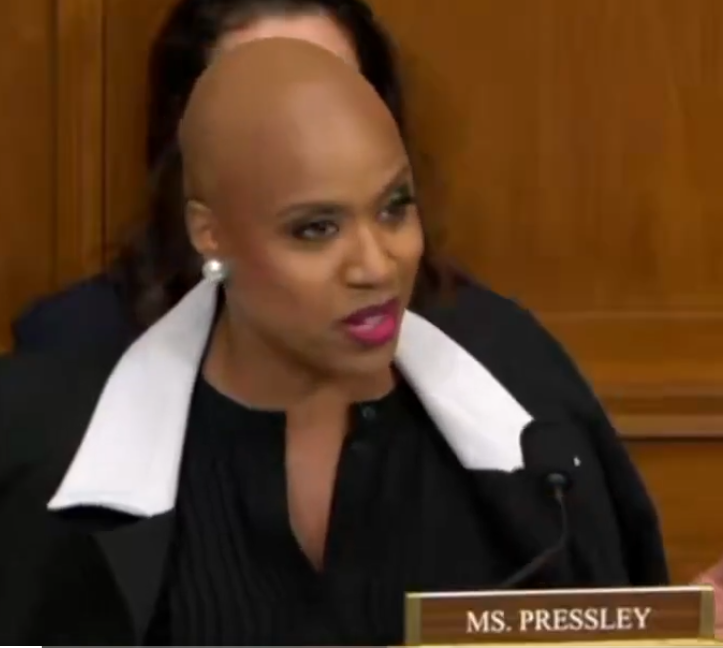
Rep. Ayanna Pressley had the floor, the microphone, and a rehearsed monologue about women's rights during Monday's House Oversight hearing on DEI. What she didn't have was an answer to one very simple question.
Rep. Brandon Gill asked it anyway.
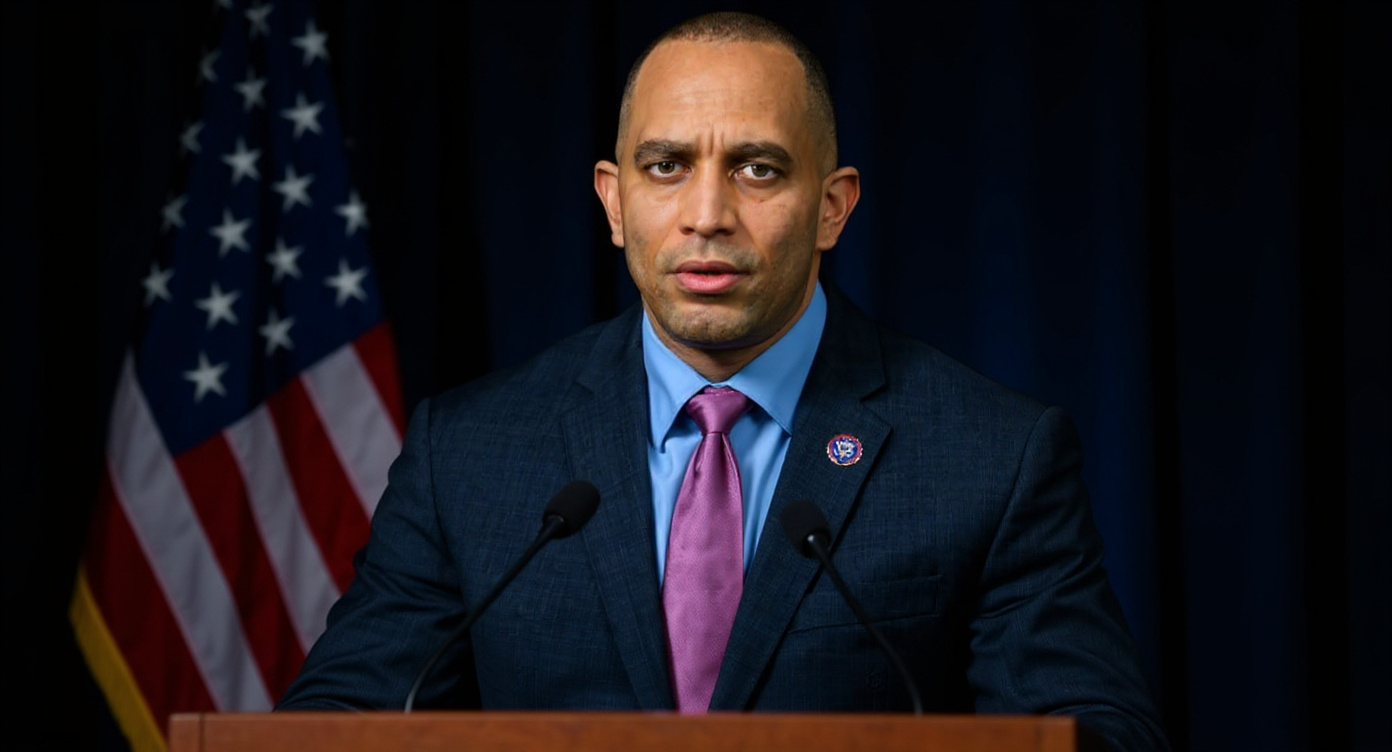
The hearing — formally titled "Combating DEI in American Institutions" — was convened by Congressman Gill, the Texas Republican who chairs the House Oversight Committee Task Force on Defending Constitutional Rights and Exposing Institutional Abuses. He opened with a statement that set the tone for everything that followed: "DEI is, by its very nature, an affront to the principles and ideals that define our great nation."
Gill went further, calling DEI programs "a conscious effort to specifically judge people by the color of their skin." Hearing witness Feltscher-Stepman testified that DEI regimes least prefer "whites and Asians primarily" — a point that went conspicuously unaddressed by the Democrats in the room.
Pressley, the Massachusetts Democrat, used her time to pitch her proposed Equal Rights Amendment — a 28th Amendment to the Constitution — and pivoted the conversation from DEI to women's rights more broadly. She delivered her case with the confidence of someone who assumed nobody would push back, turning to Gill at one point and saying, "I look forward to your signing on."
Gill didn't sign on. Instead, he asked the question that turned a congressional hearing into a viral clip now tearing through conservative social media: "I'd be happy to look at your Equal Rights Amendment... does it define what a woman is?"
Pressley didn't answer. She moved on. Gill, with the kind of restraint that makes the moment land harder, simply noted: "I just was hoping for some analytical clarity."
Gill's approach was effective precisely because it was understated. He didn't need to lecture. He didn't need to filibuster. He let the contradiction speak for itself.
Pressley's proposed amendment would enshrine sex-based protections in the Constitution. The question of who those protections apply to seems like it should come before the question of what those protections include. You'd think a constitutional amendment would start with definitions, not dodge them.
An amendment to protect women that can't define "woman" isn't a legal document. It's a bumper sticker with a ratification clause.