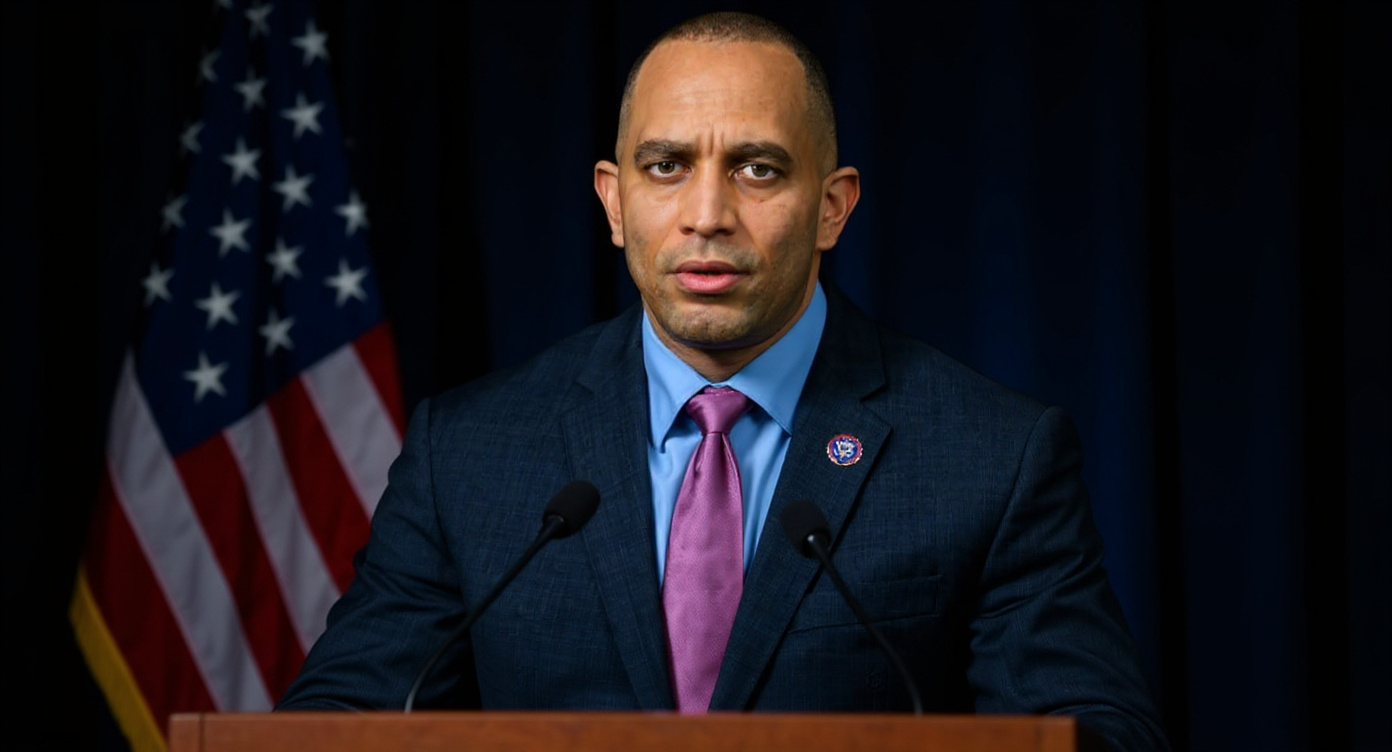
So here we are in 2026, and a United States Senator has to formally introduce legislation to tell his colleagues — grown adults who swore an oath to the Constitution — that they can’t place bets on political outcomes they have the power to influence. Senator Bernie Moreno, Republican from Ohio, just dropped a bill to ban lawmakers from using prediction markets. Because apparently “don’t gamble on classified intelligence” wasn’t already covered under “basic human decency” or, you know, federal law.
Let that marinate for a second. We need a *law* to tell United States Senators they can’t log onto Polymarket and put five grand on a foreign policy outcome they’re going to vote on next Tuesday. That’s like needing a rule that says NFL referees can’t bet on the games they’re officiating. We all just assumed that was understood. We assumed wrong.
## The Incident That Made This Necessary
Here’s what kicked this off, and it’s a doozy. The FBI just arrested a U.S. service member — someone with access to operational details about the Venezuela situation — who placed bets on Nicolás Maduro’s removal *before participating in the operation to remove him.* Read that again. A guy who knew the play was coming placed his bets, then suited up for the game.
Now, if a random service member had the bright idea to cash in on insider knowledge, what do you think the people writing the actual policy are doing? These are Senators who sit on intelligence committees, who get classified briefings before breakfast, who know which sanctions are dropping before the stock market opens. You think none of them have a Kalshi account? You think nobody on the Armed Services Committee had a little side action going when we started turning up the heat on Maduro?
We don’t know. And that’s the problem.
## Congress and Insider Trading: A Love Story
Let’s not pretend this is new territory. Congress has been treating public office like a VIP pass to the trading floor for decades. Remember when a bunch of Senators dumped stocks right after getting a classified COVID briefing in early 2020 — weeks before the public knew how bad it was going to get? Remember when we all saw it happen in real time and precisely nothing happened to any of them?
The STOCK Act was supposed to fix congressional insider trading back in 2012. They passed it with great fanfare, patted themselves on the back, did a few press conferences about “transparency” — and then quietly gutted the enforcement provisions a year later when nobody was looking. That’s Congress for you. They’ll ban themselves from doing something corrupt, hold a press conference, and then un-ban themselves during a Friday news dump.
So forgive us if we’re a little skeptical that this new bill is going to change anything. But credit where it’s due — at least Moreno is saying the quiet part out loud.
## “Any Senator Who Came to DC to Cash In Is Betraying Their Oath”
That’s a direct quote from Moreno, and honestly? It shouldn’t be controversial. It should be the most boring, obvious statement a politician has ever made. But in Washington, calling out your own colleagues for potential corruption is practically an act of war.
Moreno didn’t mince words: “I’m introducing legislation to BAN this insider trading in the Senate and will call for it to be passed UNANIMOUSLY.”
Unanimously. That’s cute. You know what’s going to happen, right? Half the Senate is going to say they support it “in principle” while their staffers quietly lobby to water it down, add exemptions, or just let it die in committee. The other half will vote for it knowing full well that enforcement will be about as aggressive as a hall monitor at a frat party.
Because here’s the dirty secret about Washington: the people who would have to enforce this ban are the same people it’s designed to restrict. It’s like asking the fox to install the lock on the henhouse and then hand over the key.
## Prediction Markets Are the New Stock Portfolio
Here’s what most people outside the Beltway don’t realize. Prediction markets have exploded since the Supreme Court and regulators started loosening restrictions on them. Platforms like Polymarket and Kalshi now let you bet real money on everything from election outcomes to policy decisions to whether a specific bill passes. It’s legal gambling on politics.
For a normal citizen, fine. Knock yourself out. Put twenty bucks on whether the next Supreme Court nominee gets confirmed. It’s your money.
But for a Senator who sits on the Judiciary Committee and already knows which way the confirmation vote is going? That’s not gambling. That’s a heist. It’s the financial equivalent of reading tomorrow’s newspaper today and acting like you just got lucky.
And unlike stock trading — which at least has the SEC pretending to watch — prediction markets have almost zero oversight when it comes to political insiders. There’s no disclosure requirement. No public reporting. No one checking to see if the Senator who just made $50,000 betting that a defense bill would pass also happened to be the deciding vote.
## Will It Actually Pass?
Moreno is calling for unanimous consent, which in Senate terms means he wants to skip the committee process and just get everyone to agree. The advantage: it’s fast and it forces every Senator to go on the record. The disadvantage: any single Senator can block it, and all they have to do is say “I object” and the whole thing dies.
So who’s going to be the brave soul who stands up in front of C-SPAN cameras and says, “Actually, I think Senators SHOULD be allowed to bet on things they control”? Probably nobody out loud. They’ll just quietly object behind closed doors and let it disappear.
That’s the Washington playbook. You don’t kill popular legislation by voting against it. You kill it by making sure it never gets a vote in the first place. Death by procedure. Death by committee. Death by “we ran out of time this session.”
## The Bottom Line
We live in a country where a soldier got arrested for betting on an operation he was part of — as he should — but Senators can sit in classified briefings and then make financial decisions based on what they learned, and we just shrug. The double standard isn’t just unfair. It’s insane.
Moreno’s bill is a good start. But let’s be honest about what we’re dealing with. Congress has proven over and over that it is institutionally incapable of policing itself. They water down every ethics reform, defang every oversight mechanism, and then wonder why their approval rating is lower than a dentist’s waiting room.
If this bill passes with real teeth — real enforcement, real penalties, real transparency — it would be one of the most meaningful anti-corruption measures in a generation. But that’s a big “if.” Because the only thing Washington is better at than corruption is making sure nobody ever gets caught.
Watch this one closely, folks. Not because of what they say about it — but because of what they do when they think we’re not looking.